
Jump to
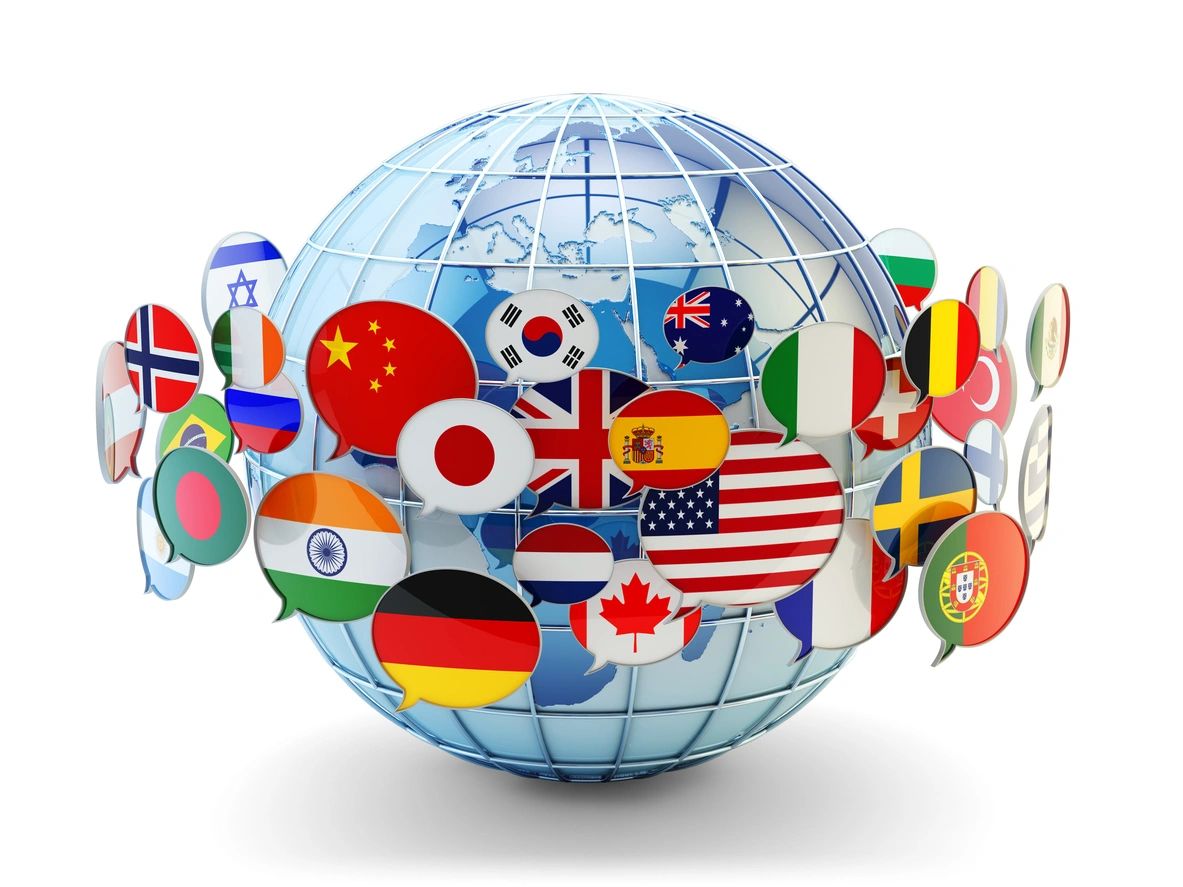
How innovative partnerships are shaping global health in an era of geopolitical uncertainty.
From Geopolitical Fragmentation to Global Cooperation
“Geopolitical determinants are emerging as the most powerful forces shaping health outcomes worldwide.” — Gonzalez et al., Journal of Public Health (2024)
Recent research in the Journal of Public Health warns that the world is entering an era of fragmented cooperation, rising nationalism, and weakened multilateral institutions. In their paper, “Recent Geopolitical Shifts and Their Implications for Global Health: A New World Order in the Making” (Gonzalez et al., 2024), the authors argue that without renewed global collaboration, decades of progress in health equity and security could be lost.
They outline three possible futures:
- Optimistic — renewed global cooperation
- Realistic — fragmented multilateralism
- Pessimistic — retreat into isolationism and widening inequality The question is clear: in a divided world, how do we still work together to protect and improve global health?
A New Model of Global Health Cooperation
This is where the World Health Innovation Summit (WHIS) and the Global Social Prescribing Alliance (GSPA) offer a practical, people-powered response. Both demonstrate that effective global health action can emerge from collaboration between communities, businesses, policymakers, and individuals — even amid geopolitical turbulence.
WHIS was founded on a simple but transformative idea: that health and wellbeing can be improved through innovation, prevention, and partnership. By convening leaders across sectors — healthcare, finance, education, technology, and civil society — WHIS creates a shared space to co-design solutions that align local priorities with global goals.
Meanwhile, the Global Social Prescribing Alliance provides the framework for scaling these approaches worldwide. It promotes social prescribing — connecting people to community-based support for health, wellbeing, and social needs — as a key pillar of 21st-century healthcare systems. Through its global network, the GSPA demonstrates how prevention, connection, and empowerment can reduce inequalities and build resilience.
Turning Challenges into Opportunities
The Juniper paper highlights several risks to global health — declining aid, fragmented governance, and eroding trust in international institutions. WHIS and GSPA directly address these challenges:
- Rebuilding cooperation: WHIS provides a neutral, inclusive platform for governments, academia, and industry to collaborate on shared health priorities.
- Sustainable funding: GSPA promotes cost-effective, scalable models of care that reduce dependency on aid while strengthening local economies.
- Restoring trust: By focusing on transparency, inclusion, and co-creation, both initiatives rebuild confidence in health systems from the ground up.
- Equity and empowerment: Through WHISKids, WHISatWork, and WHISSeniors, innovation reaches every stage of life, ensuring that no one is left behind.
Health Diplomacy in Action
The Juniper authors call for “new health governance models” — exactly what WHIS and GSPA are building. Rather than relying on top-down systems, both create distributed networks of health diplomacy, connecting cities, regions, and countries through partnership rather than competition.
For example, WHIS’s city-based programmes align local strategies with national policy to tackle inequalities, promote prevention, and stimulate investment in wellbeing. Each initiative becomes a real-world demonstration of what the authors describe as “shared responsibility in action.”
Gareth Presch, CEO of WHIS and GSPA, says:
“In a world where political divisions threaten progress, our work is about connecting people, communities, and leaders to co-create solutions. Collaboration is not optional — it’s the only way we can build health systems that are equitable, resilient, and future-ready.”
A Vision for a Healthier, More Connected World
In a world where politics too often divides, WHIS and the GSPA unite people around a shared mission: enabling thriving communities for better health and wellbeing.
They are a living example of the Juniper paper’s recommendations — demonstrating innovative governance, sustainable financing, and inclusive practice that bridge global ambition and local action.
The future of global health will not be shaped solely in ministries or boardrooms. It will be built in communities, workplaces, and cities — one partnership, one prescription, and one act of collaboration at a time.
The choice is simple: fragmentation or collaboration. Through WHIS and GSPA, a more optimistic, cooperative future is already underway.
Reference: Gonzalez, M., et al. (2024). Recent Geopolitical Shifts and Their Implications for Global Health: A New World Order in the Making. Journal of Public Health, Juniper Publishers. Available here: https://juniperpublishers.com/jojph/JOJPH.MS.ID.555770.php
#GlobalHealth #SocialPrescribing #WHIS2025 #GSPA #HealthInnovation #Prevention #HealthEquity #HealthDiplomacy #SDG3 #Partnerships
Older story → How AI is Transforming Healthcare