
Jump to
Art as Medicine: How Simply Viewing Paintings Enhances Mental Well-Being
A growing body of research confirms what many have felt intuitively: art is not only beautiful, it’s good for you.
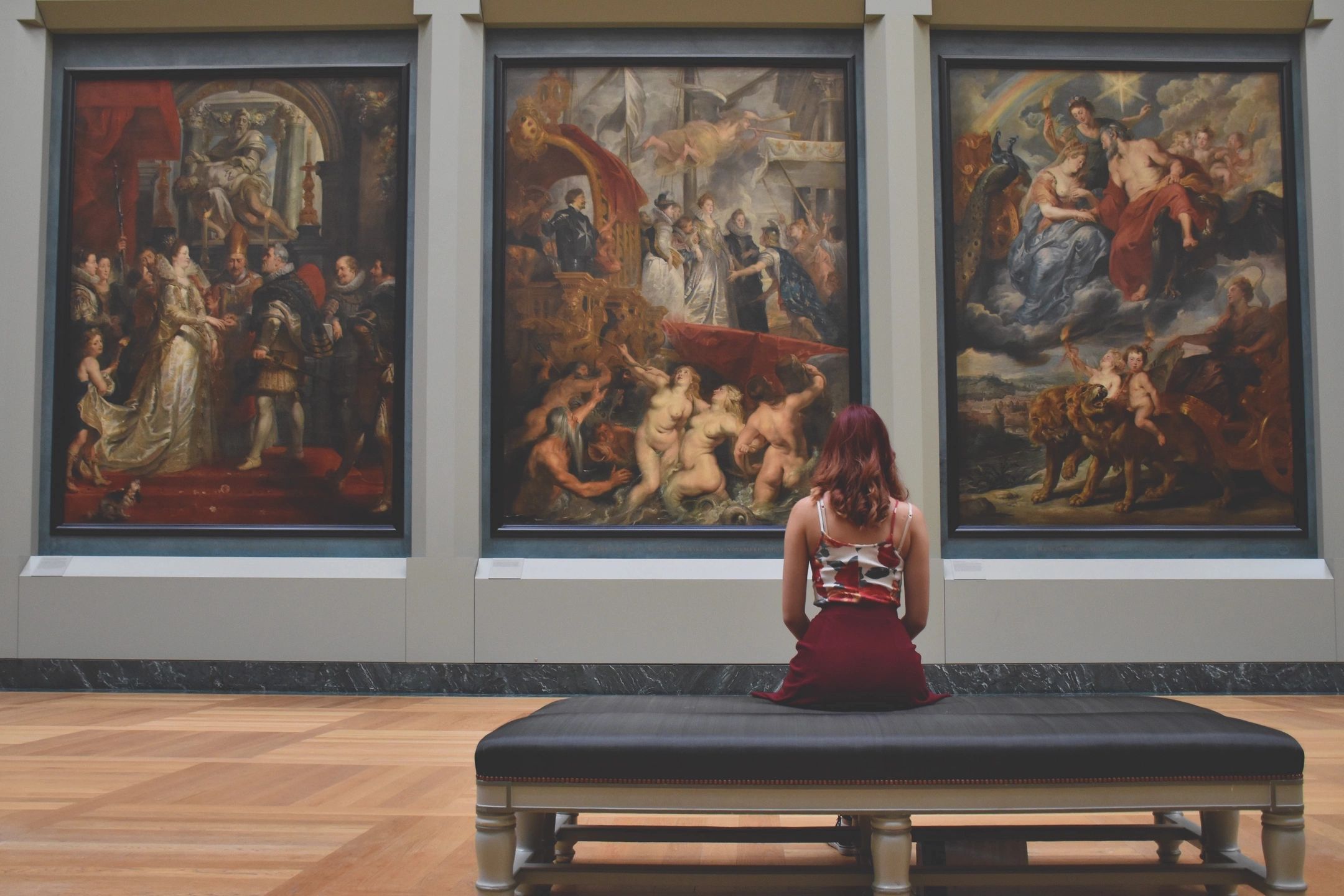
A new global review of 38 studies, involving over 6,800 participants across hospitals, galleries, homes, and even virtual spaces, has found that simply **viewing paintings, **whether in person or online, can significantly improve mental well-being, emotional health, and even a sense of life purpose.
From Mood Boost to Meaningful Well-Being
The researchers discovered that the benefits go beyond temporary mood lifts. People reported improvements in what psychologists call **eudaimonic well-being, **the deeper sense of purpose, personal growth, and fulfillment that underpins long-term mental health. Viewers also experienced enhanced self-esteem, emotional resilience, and overall life satisfaction.
Importantly, these gains were not confined to traditional gallery settings. Art viewed in hospitals, public spaces, or on digital platforms produced similar positive effects, making this a remarkably accessible mental health intervention.
Why This Matters for Social Prescribing
At the Global Social Prescribing Alliance (GSPA), we champion broadening the concept of healthcare to include social, cultural, and community resources. This new evidence aligns perfectly with our vision of **arts on prescription, **where healthcare providers and community leaders “prescribe” cultural experiences as part of a person’s wellbeing plan.
Around the world, healthcare systems and community organisations are working together to connect people to creative and cultural activities—from museum visits and art workshops to local heritage experiences. These initiatives help improve mental health, strengthen social connections, and reduce reliance on clinical interventions alone.
The Science Behind Art’s Healing Power
Viewing art stimulates multiple brain regions involved in emotion, memory, and reward. It can:
- Lower stress hormone levels
- Promote positive emotions and empathy
- Encourage reflection and perspective-taking
- Support recovery in clinical settings by offering distraction and beauty For people experiencing anxiety, depression, loneliness, or life transitions, these effects can provide a crucial boost to mental resilience.
How You Can Add Art to Your Well-Being Routine
The good news? You don’t need to be an art expert—or even leave home—to benefit.
- Visit local galleries or museums: Even short visits can have lasting effects.
- Explore online collections: Platforms like Google Arts & Culture make thousands of masterpieces accessible anywhere.
- Create your own art-viewing space: Surround yourself with art that inspires or calms you.
- Join community art groups: Combine the mental health benefits of creativity with the power of social connection.
A New Prescription for Well-Being
This research strengthens the case for integrating art into health and social care systems. By recognising art as a legitimate, evidence-based tool for mental health, we can open new pathways for care that are inclusive, affordable, and profoundly human.
At the GSPA, we believe that health isn’t just the absence of illness, it’s the presence of meaning, connection, and joy. And sometimes, all it takes to find those things is to spend a few moments in front of a painting.
Older story → Supporting Aspire & Achieve 2025 – Empowering Students in Dublin