
Jump to
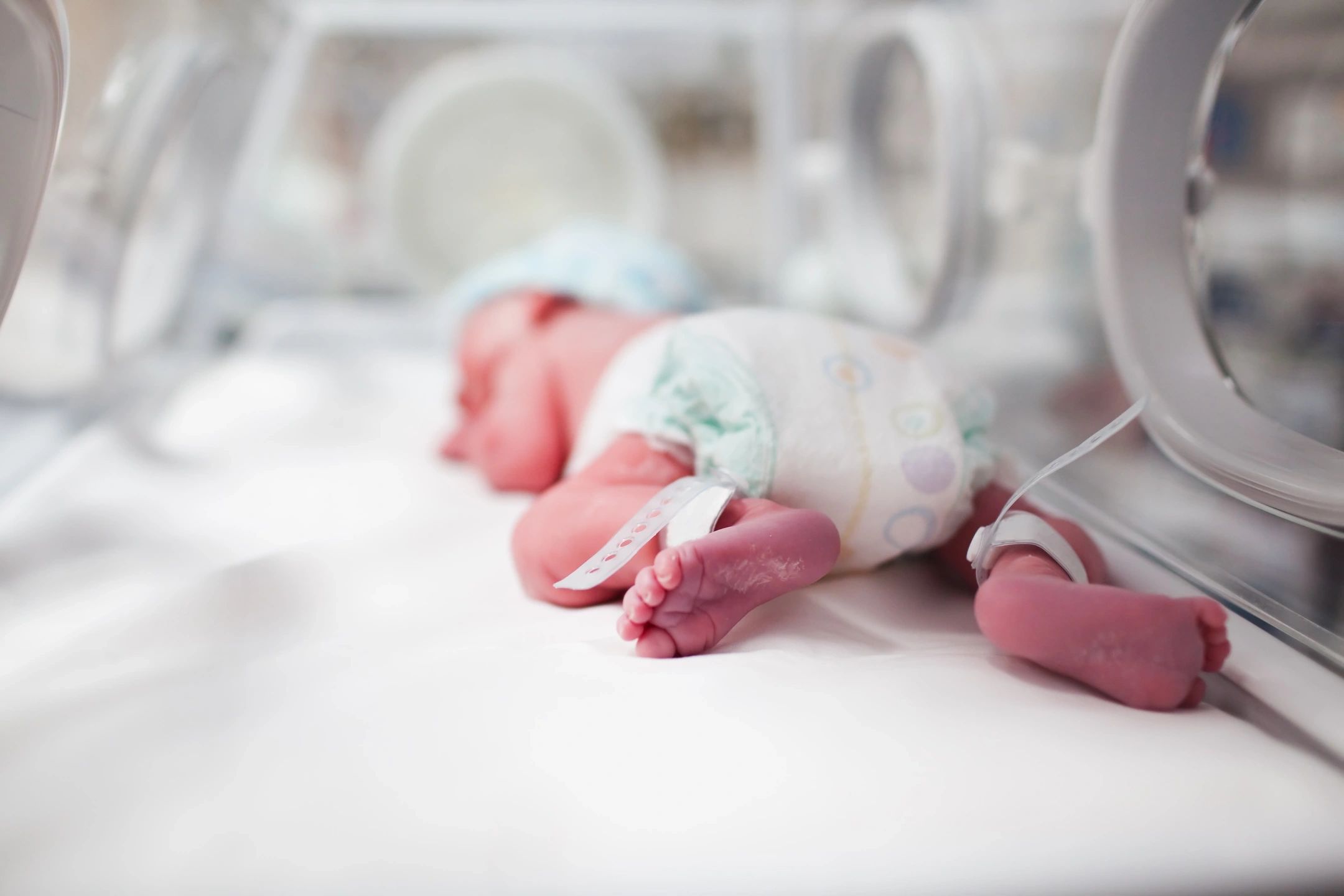
At the World Health Innovation Summit (WHIS), we celebrate ideas and innovations that transform health and wellbeing across communities. The latest breakthrough from the UK’s National Health Service (NHS) and its partners marks a historic leap forward in precision medicine — a world-first bedside genetic test designed to prevent hearing loss in newborn babies.
A Life-Changing Innovation at the Bedside
Imagine a baby in neonatal intensive care — critically ill and needing antibiotics within minutes. For decades, one of the most effective treatments, gentamicin, has been widely used to combat life-threatening infections. But for around 1 in 500 babies, this vital drug carries a devastating risk: permanent hearing loss caused by a single genetic variant.
Until now, there was no way to know which babies carried this gene before treatment. Traditional genetic testing took days or weeks — far too slow in an emergency setting.
Now, thanks to a collaboration between Manchester University NHS Foundation Trust, Genedrive plc, and the University of Manchester, clinicians can test for the gene in just 25 minutes — right at the baby’s bedside. This allows doctors to immediately choose a safer alternative antibiotic, protecting the baby’s hearing without delaying care.
Transforming Neonatal Care
This rapid bedside genetic test represents a fundamental shift in how precision health is delivered. It brings genomics out of specialist laboratories and into frontline care, where decisions are made in real time.
During early trials in Manchester, hundreds of babies have already been screened safely. The device — now CE-certified— integrates seamlessly into existing workflows and provides life-saving information before the first antibiotic dose is given.
Professor Bill Newman, who led the study, describes it best:
“We are actually going to make a difference so babies are not going to lose their hearing for a preventable reason.”
Why It Matters
This innovation has the potential to transform outcomes for families across the UK — and set a precedent for health systems worldwide.
- 👶** Prevention in action – Up to 180 babies a yea**r in England could be spared avoidable hearing loss.
- 💰** Health and economic impact – By preventing life-long deafness, the NHS could save around £5 million annuall**y in healthcare and support costs.
- ⚕️ Precision medicine for everyone – This is one of the first examples of real-time genomic testing in acute care, signalling a new era of personalised, preventive healthcare.
- 🧬** Empowering clinician**s – The test gives doctors the confidence to tailor treatment instantly, combining speed, safety, and compassion.
Scaling Up: From Manchester to the Nation
Following the success of the initial rollout, the NHS has launched PALOH-UK, a national study expanding this innovation to 14 neonatal units across the country. The goal is to make genetic safety testing standard practice in every neonatal intensive care unit in the UK.
This aligns perfectly with the WHIS mission — building thriving communities through innovation, prevention, and collaboration. By integrating genetics into everyday care, this project bridges science, technology, and human impact.
Challenges Ahead
Like any innovation, national adoption will require investment, training, and equity of access. Nurses and clinicians must be supported to use the technology effectively, and every family should benefit — regardless of postcode or background.
As this technology scales, it will also raise new questions about data ethics, consent, and the broader role of genomics in public health. WHIS continues to champion these discussions — ensuring innovation serves people first.
A Glimpse into the Future
The success of this bedside genetic test offers a glimpse into the future of healthcare — one where real-time, personalised medicine is not a luxury but a standard of care.
By combining genomics, technology, and compassion, the NHS is showing how innovation can protect the most vulnerable among us — starting at birth.
At WHIS, we celebrate this as a model of innovation with purpose — where science meets humanity, and where prevention and precision health become the foundation of a healthier world.
References
- NHS England. NHS develops world-first bedside genetic test to prevent babies going deaf. (April 2022). https://www.england.nhs.uk/2022/04/nhs-develops-world-first-bedside-genetic-test-to-prevent-babies-going-deaf/
- University of Manchester. World-first bedside genetic test to prevent babies going deaf.https://research.manchester.ac.uk/en/impacts/world-first-bedside-genetic-test-to-prevent-babies-going-deaf
- ITV News. NHS develops world-first bedside genetic test to prevent babies going deaf. (Video report). https://www.youtube.com/watch?v=eELuv69pRnk
- Manchester University NHS Foundation Trust. Genetic test developed by Manchester researchers recommended by NICE. (2023). https://mft.nhs.uk/2023/02/13/genetic-test-developed-by-manchester-researchers-to-prevent-newborn-babies-going-deaf-recommended-by-nice/
- ITV Granada Reports. New test to prevent newborn babies going deaf to be trialled across the UK. (2024). https://www.itv.com/news/granada/2024-11-21/new-test-to-prevent-newborn-babies-going-deaf-to-be-trialled-across-the-uk
Older story → Social Prescribing Moves to the Mainstream