
Jump to
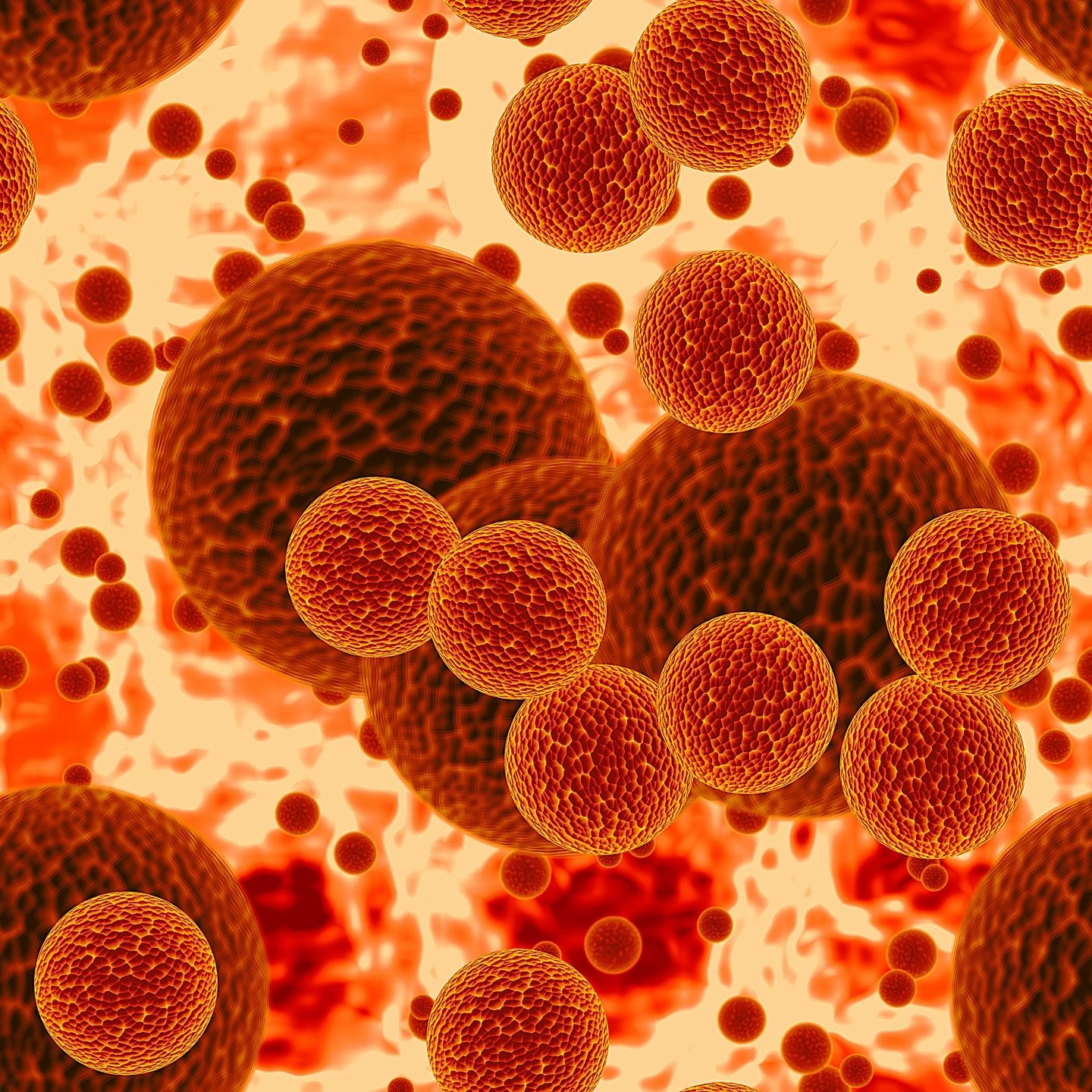
In a major leap forward in cancer research, scientists from Massachusetts Institute of Technology (MIT) and Harvard Medical School have engineered a powerful new form of immune cell therapy that could dramatically improve how cancer is treated. These specially‑designed cells are being described as “invisible” immune cells — because they can evade the patient’s immune system long enough to locate and destroy cancer cells more effectively than existing therapies.
What Makes These Immune Cells Unique?
The team focused on a specialised type of immune cell known as CAR‑NK (chimeric antigen receptor natural killer) cells. NK cells are part of our body’s frontline defence, naturally programmed to recognise and eliminate virus‑infected and cancerous cells. Scientists have already explored CAR‑T cell therapies — where T cells are engineered to recognise specific cancer targets — with remarkable success in some blood cancers. But CAR‑NK cells offer potential advantages: they are less likely to cause severe immune reactions and may be safer and more broadly applicable.
What sets this new approach apart is the ability to make these cells less visible to the patient’s immune system. In conventional cell therapies, the body’s defences often recognise transplanted cells as “foreign” and attack them before they reach the tumour. By cleverly engineering the CAR‑NK cells to suppress the immune rejection signals, researchers have created cells that persist longer, work harder, and attack tumours more effectively. In lab studies using humanised mice, these engineered cells were able to nearly eliminate cancer — a striking demonstration of their potential power.
Why This Matters
Traditional immunotherapies — such as CAR‑T cells — have revolutionised treatment for certain cancers, but they often require weeks of preparation and can trigger dangerous side effects like cytokine release syndrome. The new generation of CAR‑NK cells may be safer and faster to deploy, potentially coming “off‑the‑shelf” rather than needing to be custom‑grown for each patient. This could shorten treatment times, reduce costs, and broaden access to life‑saving therapies.
Experts also note that this strategy could help overcome one of the biggest challenges in immunotherapy: immune rejection. By designing CAR‑NK cells that avoid detection by the host immune system, researchers are one step closer to therapies that are both potent and well‑tolerated.
What’s Next? From Lab to Clinic
While these results are promising, the research is still in preclinical stages — meaning the engineered CAR‑NK cells have been tested in animal models but not yet in humans. The next critical step will be clinical trials to determine safety and efficacy in people. If successful, this approach could represent a major shift in how we treat cancer — from boosting the body’s natural defences to fine‑tuning them with precision.
A Future Where the Immune System Is Our Greatest Ally
The innovation coming out of MIT and Harvard highlights a broader trend in cancer research: moving beyond conventional drugs to harnessing the body’s own biology in smarter, more resilient ways. At WHIS, we believe breakthroughs like this are part of a future where cancer care is not only more effective than ever before but also more personalised, safer, and rooted in cutting‑edge science.
Stay tuned as this therapy progresses toward human studies — and as the global research community continues to push the boundaries of what’s possible in cancer treatment.
Source: SciTechDaily, MIT & Harvard, October 2025 – link
Older story → Community as Medicine: The Social Prescription