
Jump to

Healthy oceans foster healthy people. For over 4.5 billion people, around 15% of their daily animal protein comes from the ocean. Seafood is a critical source of micronutrients and omega-3 fatty acids, essential for both physical and mental health.
Yet, human activity has significantly compromised the health of our oceans. Today, we face a range of critical challenges:
- Marine pollution
- Ocean acidification
- Overfishing
- Rising sea levels and population displacement
No clean water, no good health. Oceans cover 71% of our planet’s surface, and billions of people rely on marine ecosystems for their livelihoods and nutrition. But are we truly doing enough to protect this vital resource?
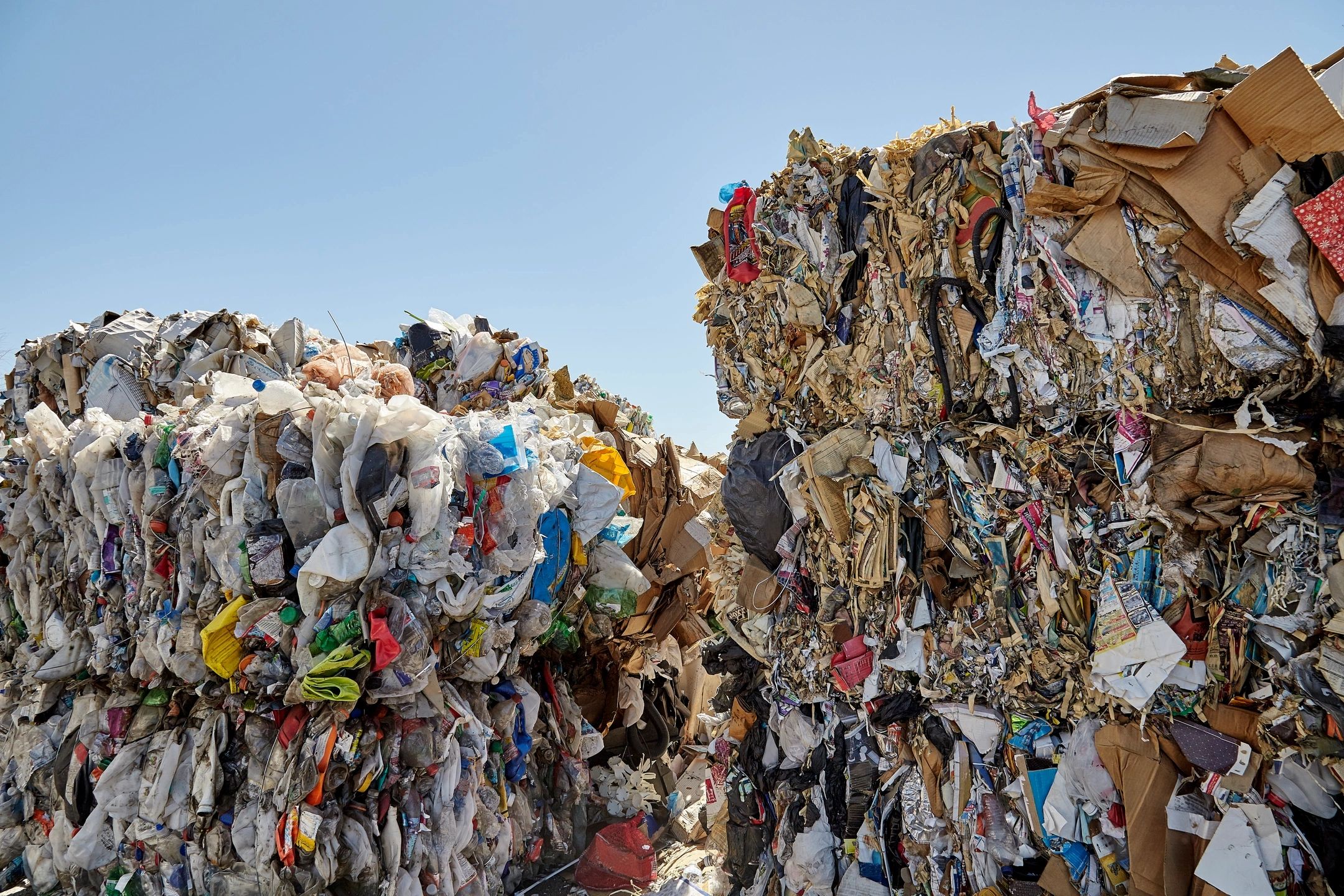
The numbers say no. We produce over 380 million tons of plastic every year. Shockingly, up to 50% of that is single-use—items used for mere moments but lingering in our environment for centuries. Over 10 million tons of plastic enter the ocean annually. Studies suggest we may ingest thousands of microplastics every week—the equivalent of a credit card.
Plastic pollution has serious implications for human health. Each year, polluted waters are linked to over 250 million cases of respiratory illness and gastroenteritis.
From crisis to opportunity: shifting the paradigm. Rather than focusing only on disease management—from environmental disasters like Minamata to global pandemics like COVID-19—we must prioritize prevention and value creation.
The World Health Innovation Summit (WHIS) model shows that every £1 invested in prevention can return £36 in benefits. This shift isn’t just needed—it’s smart and sustainable.
Shared challenges, shared solutions: Marine and Health Before the pandemic, the world faced a shortage of 18 million healthcare workers. Since then, we’ve lost over 110,000 to COVID-19, and many more are leaving due to burnout. Meanwhile, the burden of chronic diseases—dementia, obesity, cardiovascular disease, diabetes, and cancer—continues to grow. But within these challenges lie enormous opportunities.
A global wellbeing economy Over 28 million elective surgeries were delayed during the pandemic—and that number continues to rise. Around the world, we have an opportunity to reimagine healthcare: could we establish global elective surgery and rehabilitation centers near coastlines, harnessing the healing power of blue spaces to support recovery?
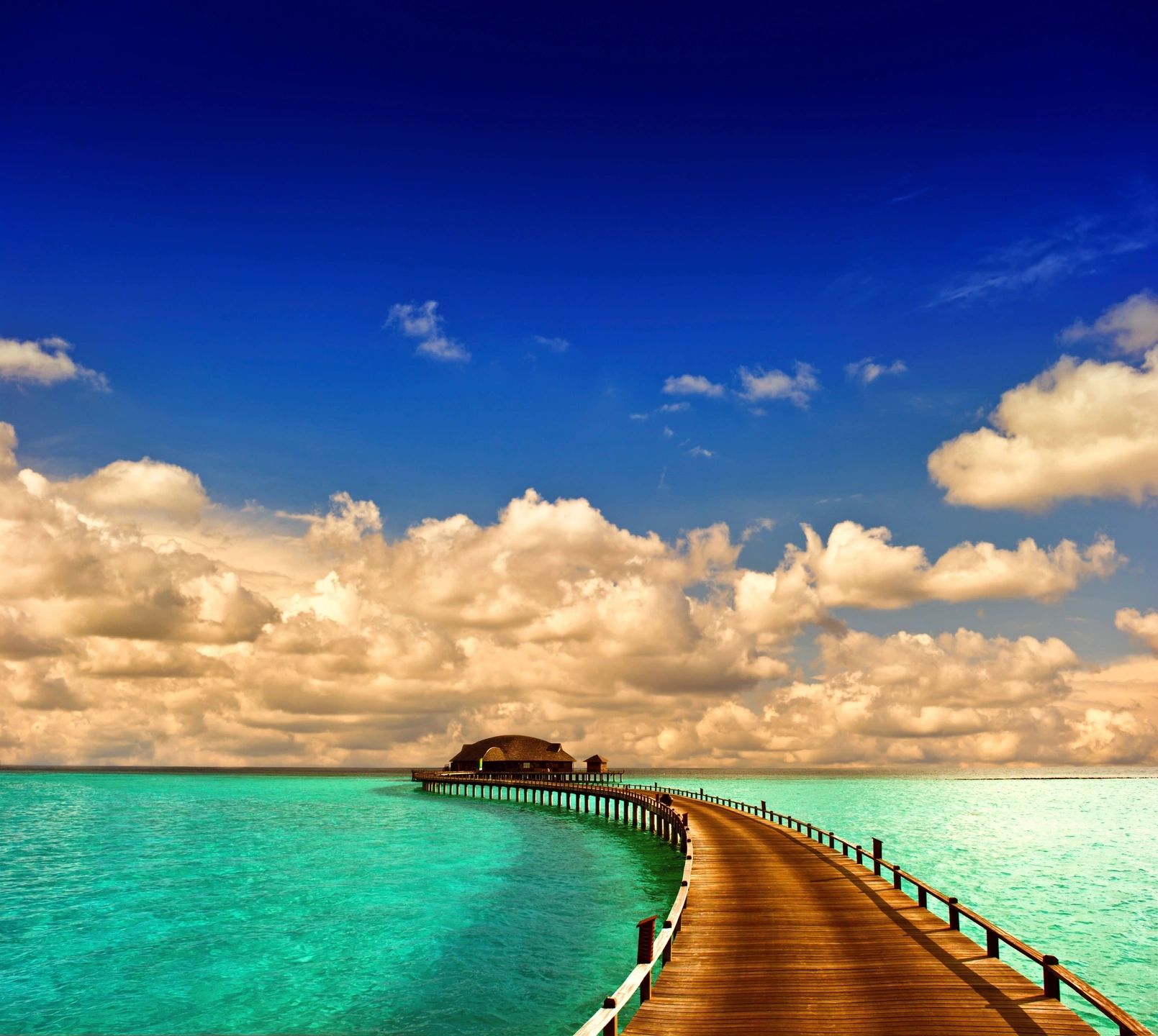
Globally, nations can lead the way in building wellbeing economies that support mental health, healthy ageing, and better quality of life. Countries and regions worldwide—from Europe to Asia, Africa to the Americas—are already investing in this emerging trillion-dollar opportunity.
We face significant challenges, but the ocean offers solutions for both planetary and human health.
A call to action Aligning with initiatives like the UN Ocean Decade, we can develop sustainable ocean management strategies that benefit both ecosystems and communities.
Key action areas include:
- Ocean and Human Health
- Sustainable seafood for healthy populations
- Marine biodiversity, biotechnology, and medicine
- Blue spaces, tourism, and mental wellbeing Gareth Presch, CEO, WHIS
References: The First Global Integrated Marine Assessment World Ocean Assessment - book National Ocean Service Ocean Decade Africa The Ocean Decade—Opportunities for Oceans and Human Health Programs to Contribute to Public Health
Older story → Future Cities: Greening Urban Life with WHIS