
Jump to
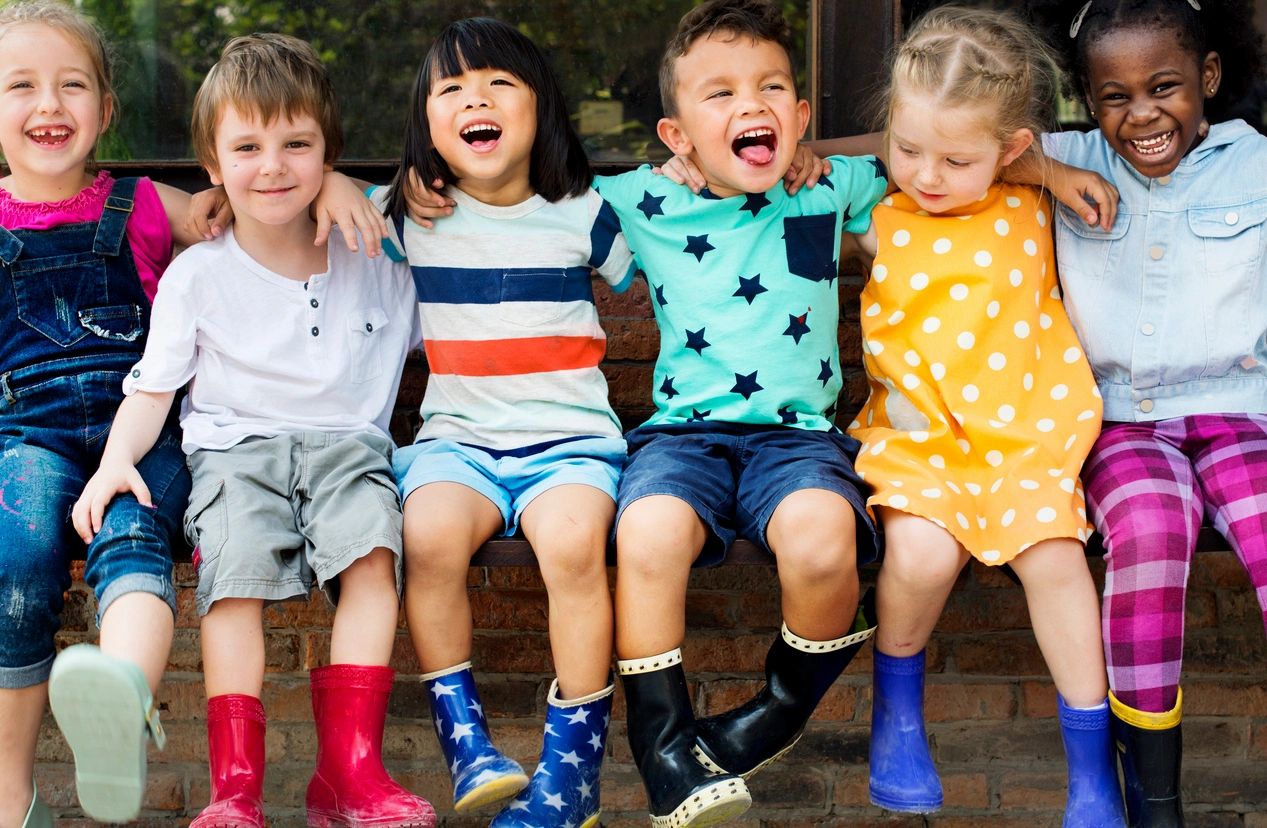
The UNICEF Innocenti Report Card 19: Child Well-Being in an Unpredictable World (May 2025) delivers a stark message: growing up in a wealthy country does not guarantee a happy, healthy childhood. Despite abundant resources, children across high-income nations are facing declines in mental health, academic performance, and physical wellbeing, particularly in the aftermath of the COVID-19 pandemic.
This is not only a public health concern but a pressing economic one. If left unaddressed, these trends will erode future productivity, social cohesion, and sustainable growth.
Key Findings from UNICEF Innocenti Report Card 19
- Mental Wellbeing: Life satisfaction among 15-year-olds declined across nearly all 43 OECD/EU countries between 2018–2022, particularly among girls. The UK ranks 35th of 36 countries for adolescent life satisfaction (UNICEF, 2025).
- Education: Maths scores fell by an average of 12 points (≈ 7 months of learning) across 38 countries. Over 8.4 million 15-year-olds across high-income countries are now failing to meet basic literacy/numeracy standards (UNICEF, 2025).
- Physical Health: Childhood overweight prevalence increased from 17% in 1990 to 28% in 2022, with a third of countries experiencing further rises since 2018. In contrast, Italy and Portugal saw improvements (UNICEF, 2025).
- Suicide & Mental Health: Adolescent suicide rates fell in 18 countries but rose in 17 others; overall trends remain unstable, underlining the fragility of youth mental health (UNICEF, 2025).
Why This Matters for Policy and Investment
The UK Treasury’s Green Book (2022) requires public investments to be appraised not just for financial returns but also for wellbeing and social value. The Supplementary Wellbeing Guidance (2021) sets out how increases in life satisfaction, reductions in obesity, and improvements in educational outcomes can be monetised and included in Cost-Benefit Analysis (CBA).
Similarly, the Global Health Impact Measurement and Management (IMM) Practitioner Guide (2023) stresses that interventions must be:
- Evidence-based, with clear metrics.
- Evaluated over time, with baselines and targets.
- Adaptable, ensuring continuous improvement. For policymakers, this means investing in child wellbeing is not only morally right but also delivers measurable returns on investment (ROI) in health, education, and economic productivity.
How WHIS Kids and Our Programmes Respond
At WHIS, our mission is to create thriving communities through prevention, innovation, and resilience. The UNICEF findings reinforce why our programmes—WHIS Kids, WHIS@work, WHISSeniors, and WHIS Communities—are urgently needed.
- Mental Health & Life Satisfaction Target: Raise adolescent life satisfaction by 0.5 points on a 10-point scale within 2 years. ROI: The Green Book values each point increase in life satisfaction at several thousand pounds per year in wellbeing value.
- Education & Life Skills Target: Recover the equivalent of 7 months of lost learning through targeted mentoring and skills programmes. ROI: OECD evidence suggests each additional year of schooling raises lifetime earnings by 10%, with wider GDP gains.
- Physical Health & Obesity Prevention Target: Reduce overweight prevalence by 5 percentage points in participating cohorts. ROI: Lower obesity rates save the NHS billions annually; a 5% reduction in childhood obesity could deliver tens of millions in QALY gains and reduced treatment costs.
- Community Resilience Target: Equip children with future-ready skills (creativity, empathy, problem-solving) while embedding climate and sustainability education. ROI: Supports the UK’s commitments under the Sustainable Development Goals (SDG 3: Health and Wellbeing) and climate resilience planning.
Leadership Perspective
“The UNICEF Innocenti report is a wake-up call. Wealth does not equal wellbeing. If we want to secure the future of our children, we must invest in prevention, resilience, and community programmes that deliver measurable returns. WHIS Kids is designed to align with the UK Treasury’s Green Book standards and the Global Health IMM framework—ensuring that every pound invested creates health, wellbeing, and economic value.” Gareth Presch, CEO, World Health Innovation Summit (WHIS)
A Call to Action
The evidence is clear: without immediate, coordinated action, millions of children across the UK and beyond will continue to fall behind in health, education, and wellbeing. But by embedding evidence-based programmes like WHIS Kids into local, national, and global policy frameworks, we can:
- Reduce inequalities.
- Build healthier, more resilient communities.
- Deliver strong returns on investment for society. Investing in children’s wellbeing is not a cost—it is the best investment in our collective future.
🔗** Reference**s
- UNICEF (2025). Innocenti Report Card 19: Child Well-Being in an Unpredictable World. UNICEF Office of Research – Innocenti. Link
- HM Treasury (2022). The Green Book: Central Government Guidance on Appraisal and Evaluation. UK Government.
- HM Treasury (2021). Green Book Supplementary Guidance: Wellbeing. UK Government.
- IMM Practitioner Guide (2023). Impact Measurement and Management in Global Health.
Older story → Family Offices, Health, and the Future of Cities