
Jump to
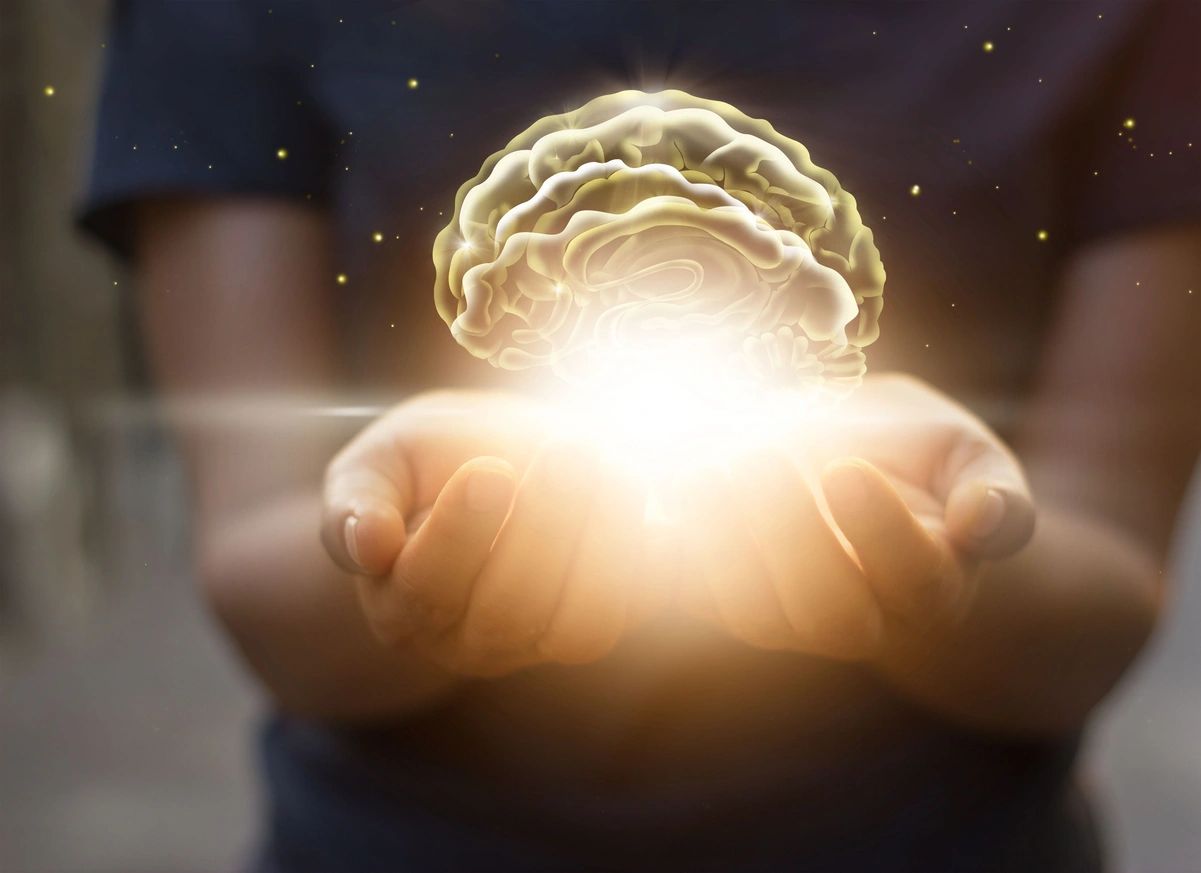
Exploring the potential of large language models in the future of empathetic innovation
As artificial intelligence continues to evolve at breakneck speed, a provocative question has emerged from the scientific community: Can machines demonstrate greater emotional intelligence than people?
A recent Psychology Today article by Dr. Josh Davis, titled “Can AI Score Higher Than Humans on Emotional Intelligence?”, explores new research showing that **large language models (LLMs) **the driving force behind many of today’s AI platforms can outperform humans on standardized assessments of emotional intelligence (EI).
This finding may sound counterintuitive. Emotional intelligence our capacity to recognise, understand, and manage emotions is often considered the defining trait of human connection. Yet, through advances in natural language processing, AI systems are now capable of detecting emotional cues, empathic patterns, and social context at scale.
A Surprising Test Result
Dr. Davis highlights recent studies comparing human and AI responses on the Mayer-Salovey-Caruso Emotional Intelligence Test (MSCEIT), a widely recognized tool used to assess emotional reasoning. Remarkably, AI models not only passed the test they scored higher on average than the human participants.
These models excelled particularly in recognizing emotions from facial expressions and in selecting appropriate emotional responses to various scenarios. Researchers suggest that this is not because AI has feelings, but because it has been trained on vast quantities of data that include emotional labeling and human feedback.
What Does This Mean for Health and Wellbeing?
At the World Health Innovation Summit, we believe this development is both a breakthrough and a moment for careful reflection. Emotional intelligence is a cornerstone of compassionate care, mental health support, and community resilience. If AI can simulate or enhance empathic communication, the possibilities for health innovation are profound.
For example:
- AI-powered mental health assistants could become more attuned to user distress and tailor interventions more effectively.
- Social prescribing platforms might use emotionally intelligent algorithms to better match individuals with appropriate community support.
- Health education tools could offer personalized, emotionally aware feedback to empower behavior change.
Human + Machine: A Collaborative Future
Despite these exciting advances, emotional intelligence in machines remains a **simulation **not an experience. AI doesn’t feel emotions; it models emotional responses based on patterns. The greatest opportunity, therefore, lies in partnership: humans and AI working together to enhance empathy, not replace it.
At WHIS, we envision a future where artificial intelligence augments human compassion, enabling more inclusive, equitable, and emotionally intelligent healthcare systems. This is aligned with our mission to leverage innovation for the wellbeing of people and the planet.
Final Thoughts
As AI continues to score highly on emotional intelligence tests, the essential question shifts from can it? to how should we use this capability responsibly? Ensuring ethical deployment, safeguarding human dignity, and fostering trust will be crucial as we embrace this new frontier.
For those passionate about the intersection of technology and empathy, the research spotlighted by *Psychology Today *invite’s us to reimagine the role of emotional intelligence in a digital world—and to harness it for good.
By WHIS | Inspired by Psychology Today (June 2025)
Reference: Davis, J. (2025, June). Can AI Score Higher Than Humans on Emotional Intelligence? Psychology Today. Retrieved from: https://www.psychologytoday.com/us/blog/the-future-brain/202506/can-ai-score-higher-than-humans-on-emotional-intelligence
Older story → Investing in Prevention